
Most facility managers are familiar with roofing systems—TPO, EPDM, metal, mod bit. They know what to look for in a membrane, how to plan for re-roofing, and which systems fit which buildings.
But when it comes to waterproofing? That’s where things get fuzzy.
Too often, waterproofing is thought of as a patch or emergency fix—something to apply when the roof is already leaking or the insulation is already wet. In reality, waterproofing is one of the most strategic tools facility teams can use to extend roof life, protect building systems, and reduce long-term costs.
The key is knowing when—and how—to use it.
What Is Roof Waterproofing, Exactly?
Waterproofing is not the same thing as roofing. It’s an added layer of protection that enhances what the membrane is already doing.
At its core, waterproofing involves:
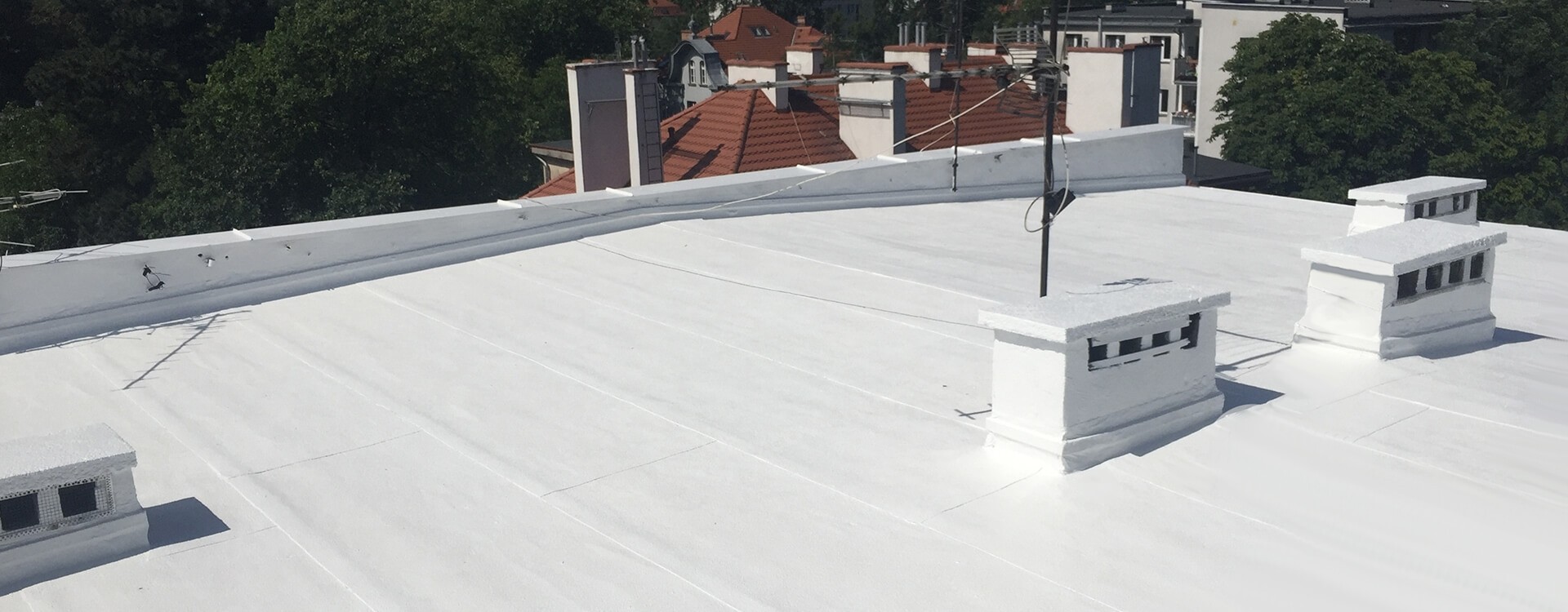
- Fluid-applied coatings (silicone, acrylic, urethane)
- Reinforcement fabrics and sealants around seams and flashing
- Specialized detailing at penetrations, edges, drains, and transitions
The goal? To stop water intrusion where it starts—at vulnerable points in the roof system—and preserve the performance of what’s already in place.
Waterproofing can be applied during new installs, as a mid-life extension, or as a targeted intervention during minor degradation. It works best when the structure and insulation are still sound.
It’s Not Just About Leaks
Waterproofing is often reactive. But the best uses are preventative.
Beyond stopping visible leaks, strategic waterproofing can:
- Protect thermal insulation from saturation (which degrades R-value)
- Maintain warranty compliance by addressing minor issues before they spread
- Prevent costly mold remediation in ceiling or wall cavities
- Reduce tenant complaints and indoor air quality risks
- Preserve underlying systems like electrical, HVAC, and finishes
In short: waterproofing doesn’t just protect the roof. It protects the entire building envelope—and everything inside.
When Is Waterproofing the Right Move?
Not every roof needs waterproofing. But there are clear situations where it makes sense.
Here are some common ones:
- Minor Surface Wear or Early Membrane Aging
If the membrane is intact but showing signs of UV damage or fatigue, a coating can prevent further cracking or degradation. - Preventive Lifecycle Treatment
Around years 7–12 for many single-ply roofs, coatings can add 5–10 years of life at a fraction of the cost of full replacement. - Complex Roofs With Frequent Penetrations
Buildings with rooftop equipment, skylights, curbs, and drains benefit from reinforced detailing and flexible coatings. - Transition Periods Before Re-Roofing
When full replacement is on the horizon but not yet budgeted, waterproofing buys time while reducing risk.
If your building falls into one of these categories, it’s worth reviewing available roof waterproofing solutions to see how coatings or reinforcements could fit your plan.
What Roofing Systems Work Best with Waterproofing?
Waterproofing isn’t one-size-fits-all. Some systems respond better than others:
- TPO and PVC: These membranes benefit from recoating around years 8–12. It slows UV aging and seals small surface cracks or seam lifts.
- Modified Bitumen: Many mod bit systems already have built-in redundancy, but additional waterproofing at seams, drains, and flashing can extend performance.
- Metal Roofs: Waterproofing is especially useful on aging standing seam systems where fasteners loosen and seams begin to move with temperature swings.
The takeaway? Systems that are still structurally sound but show surface aging are great candidates for targeted waterproofing.
Why It’s Often Overlooked
Waterproofing falls into a gray area: not quite capital, not quite cosmetic. That’s one reason it gets missed in planning.
Another is that not all roofing contractors specialize in it. Some treat coatings as patch jobs, not part of a long-term strategy. That leads to subpar installs, unrealistic promises, or short-term fixes that don’t hold.
The result? Building owners assume waterproofing “doesn’t work,” when in fact it was just misapplied—or used in the wrong context.
That’s why it’s important to partner with contractors who treat waterproofing as a system-level discipline—not just a side hustle.
What to Ask Before You Waterproof
Not all buildings are good candidates. Before greenlighting a waterproofing project, ask:
- Has the roof had a recent inspection and moisture scan?
- Is the insulation dry and the membrane intact?
- Are there signs of widespread structural damage (which coatings won’t fix)?
- Do we understand the coating chemistry and compatibility with the current membrane?
If the answers support proceeding, waterproofing can often buy you years of added performance—without the disruption of a full tear-off.
Cost Perspective: Cheaper Than Replacement, But Still Strategic
It’s easy to think of waterproofing as a short-term, low-cost fix. But done right, it’s much more than that.
While pricing varies based on product, labor, and roof size, many building owners see:
- 50–70% cost savings vs. re-roofing
- 5–10 additional years of service life
- Energy savings from reflective coatings
- Avoided downtime, tenant disruption, and interior repair costs
In other words: waterproofing isn’t a discount—it’s a financial strategy.
Final Thoughts
If your roof is leaking and insulation is saturated, coatings won’t fix the problem. But if you catch the issues early—before they escalate—waterproofing can be one of the most cost-effective moves in your facility playbook.
It’s not just about stopping water. It’s about buying time, preserving value, and making smart capital decisions with limited resources.
The most successful facility teams don’t just maintain their roofs—they protect them from what’s next.