
Most homeowners don’t panic over a little water at first.
A puddle near the downspout after heavy rain? Probably fine. Slight dampness in the basement during spring? Annoying maybe, but manageable. You toss a towel down, run a fan for a few hours and mentally file it under “future me will deal with this eventually.”
Future you rarely enjoys that arrangement by the way.
The tricky thing about moisture problems is how quietly they evolve. Water doesn’t usually smash through the front door waving a giant “FOUNDATION DAMAGE INCOMING” banner. It works slowly. Patiently. Tiny shifts here, small cracks there, subtle changes that homeowners adapt to long before they realize something underneath the house may actually be moving.
If you’ve started noticing damp basement walls, sticking doors or uneven floors, learning more about Foundation repair in Waunakee can help explain how moisture imbalance around the home gradually affects foundation stability over time. Companies like Acculevel Foundation Repair often deal with homeowners who originally dismissed the early signs because honestly, they didn’t seem serious enough yet.
That “yet” part matters more than people think.
Water Changes the Soil Beneath Your Home
Most foundation problems begin underground.
The soil supporting your home constantly reacts to moisture conditions. During heavy rain, certain soils absorb water and expand. Then dry weather arrives and those same soils shrink again as moisture evaporates.
Foundations absolutely hate that cycle.
They want stable, consistent support underneath the structure. Nature basically laughs at that request every season.
Clay heavy soil especially behaves dramatically. One month after heavy storms it swells like overproofed bread dough. A few hot dry weeks later it contracts enough to create uneven support beneath portions of the foundation.
And the house above eventually responds.
Not dramatically at first though. More like tiny clues scattered throughout the home.
Moisture Problems Usually Start Small
That’s why people ignore them.
A faint musty smell downstairs. A tiny crack near a window frame. Condensation forming occasionally along basement walls. These symptoms feel harmless individually.
Combined together? Different story.
I remember helping a friend move furniture into his basement years ago and noticing the air felt strangely humid. Not terrible exactly. Just damp enough that cardboard boxes felt soft around the edges. He shrugged it off because “basements are always weird.”
Two years later one section of his basement wall developed horizontal cracking after repeated drainage problems outside the home.
Turns out the basement had been warning him the entire time.
Homes whisper first. They really do.
Poor Drainage Creates Quiet Structural Stress
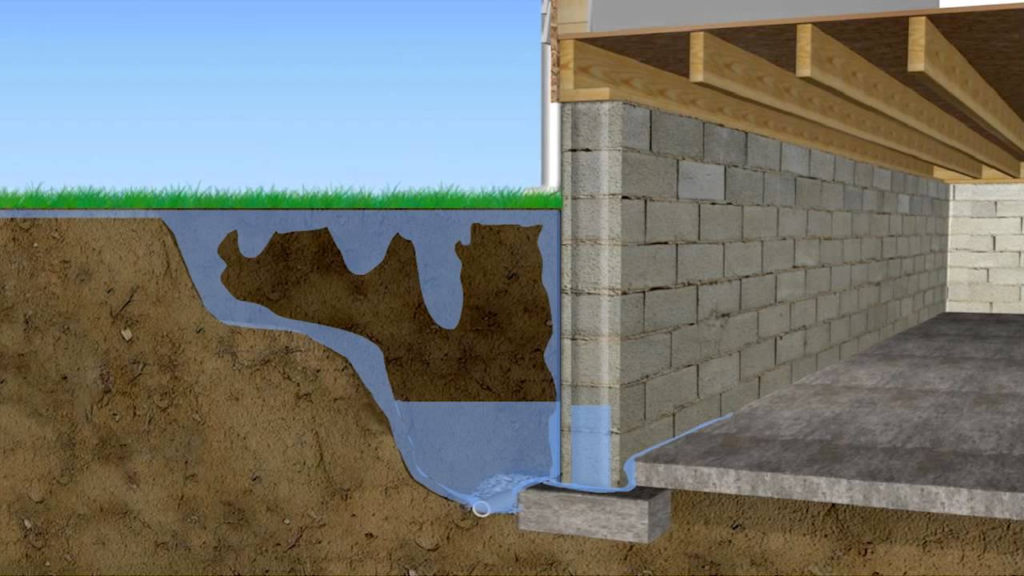
Water pooling near the foundation might seem harmless initially, but prolonged moisture exposure changes the stability of surrounding soil gradually over time.
Overflowing gutters. Downspouts dumping water too close to the house. Improper grading causing rainwater to collect near the structure. All of these conditions increase moisture saturation around the foundation itself.
And saturated soil creates pressure.
Hydrostatic pressure sounds like something from a high school science textbook nobody fully understood, but it basically means water pushing against basement walls from the outside after the surrounding soil becomes saturated.
That pressure eventually finds weak spots.
Tiny cracks widen.
Water seeps through concrete.
Walls begin bowing slightly inward.
And once moisture consistently enters the basement, additional problems usually follow quickly.
Basements Usually Tell the Truth Early
Basements don’t hide much.
Musty smells, damp corners and water stains after storms often reveal moisture problems before the rest of the house fully catches up. People dismiss basement issues constantly because honestly, basements already feel slightly suspicious by default.
Dark corners. Exposed pipes. Storage bins full of cables nobody’s willing to throw away because “what if we need them someday.”
But recurring dampness deserves attention.
One homeowner I spoke with described noticing small moisture spots near her basement wall every spring. Nothing major. Just enough to darken the concrete slightly after rainstorms. By the following year, cracks had started forming near the same section of the wall.
Water’s patient like that.
Floors Start Feeling “Off” Sometimes
This symptom sneaks up on people constantly.
At first maybe your office chair rolls sideways during Zoom calls. Maybe the dining table wobbles no matter how many folded napkins you jam underneath one leg. Maybe guests casually mention the hallway floor feels uneven and suddenly you can’t think about anything else for the next month.
Humans normalize gradual structural changes incredibly fast.
Moisture related soil movement underneath the home often creates uneven settling over time, which affects flooring stability throughout the structure itself. The changes usually happen slowly enough that homeowners adapt without fully realizing it.
Until someone visiting says, “Wait… has this floor always leaned slightly?”
Then your brain refuses to let it go.
Crawlspaces Quietly Suffer Too
Crawlspaces deserve more attention than they get.
They’re dark, damp and deeply unpleasant to inspect, which unfortunately makes them perfect places for structural problems to develop unnoticed. Excess moisture underneath the home weakens wooden support systems gradually over time.
Floor joists absorb humidity.
Support beams soften.
Mold begins spreading quietly through hidden areas.
And eventually the floors upstairs start reacting.
One family I knew blamed their squeaky uneven flooring on “old house character” for years until an inspection revealed significant moisture damage throughout portions of the crawlspace support structure underneath.
The house had basically been waving tiny red flags for a decade.
Seasonal Weather Makes Everything Worse
Weather patterns lately have been completely chaotic.
Long dry stretches followed by heavy storms create huge fluctuations in soil moisture around foundations. Freeze thaw cycles during winter create even more underground movement as moisture expands and contracts repeatedly beneath the home.
Foundations absorb all of it.
According to FEMA, maintaining proper drainage around residential foundations significantly reduces structural movement tied to shifting soil and moisture conditions. Stable moisture levels create more reliable support underneath the structure itself.
Makes sense really.
Everything below the home affects everything above it eventually.
Mold and Air Quality Problems Spread Upstairs
Basement moisture doesn’t stay politely downstairs forever.
Humidity rises through the home. Air circulates. Damp environments create ideal conditions for mold growth behind walls, beneath flooring and inside insulation.
And mold has absolutely no chill whatsoever.
People often notice:
• Persistent musty smells
• Increased allergy symptoms
• Warped trim or flooring
• Peeling paint
• Higher indoor humidity
• Condensation near windows
All connected usually.
The frustrating part is how subtle the early symptoms feel. Easy to dismiss initially. Expensive later.
Cosmetic Fixes Rarely Solve Moisture Problems
This catches homeowners constantly.
People repaint basement walls. Run dehumidifiers nonstop. Replace flooring upstairs. Meanwhile the underlying drainage or moisture issue continues progressing quietly in the background.
It’s sort of like spraying perfume into a gym bag instead of washing the gym bag.
Technically something changed. Just not the actual problem.
Companies like Acculevel often encourage homeowners to investigate recurring moisture signs early because addressing the source matters far more than masking the symptoms cosmetically.
Waiting rarely improves foundation related moisture issues.
Why People Delay Looking Into It
Honestly? Because foundation problems sound stressful.
Nobody wakes up excited to research structural moisture damage before breakfast. People convince themselves maybe the smell’s normal. Maybe the crack stopped growing. Maybe the basement’s “always been a little damp.”
I get it.
But moisture related foundation issues usually continue worsening unless the underlying cause gets addressed. Soil keeps shifting. Water keeps accumulating. Structural pressure redistributes gradually throughout the home over time.
And unfortunately, repair costs tend to grow right alongside the damage.
Which feels deeply rude honestly.
Small Moisture Problems Rarely Stay Small
Most homes experience occasional moisture fluctuations throughout the seasons. That’s normal. Rain happens. Humidity changes. Soil responds naturally to weather patterns over time.
But recurring dampness, uneven floors, sticking doors or basement moisture deserve attention before
they evolve into larger structural concerns.
Because homes are surprisingly good at warning people early.
The challenge is recognizing those quiet little clues before they become much louder and far more expensive problems later on.